SELECTED WORK
Time Sealing
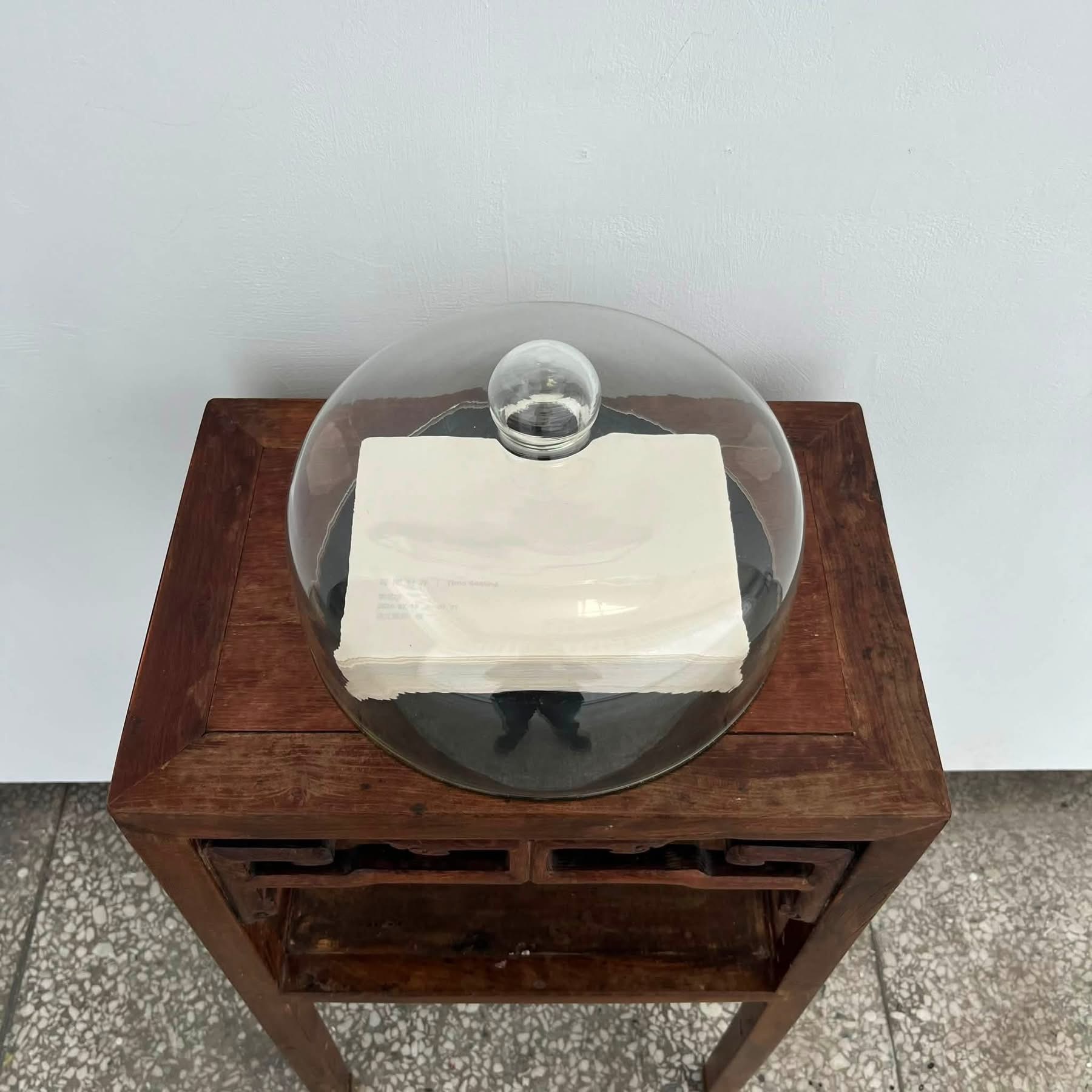
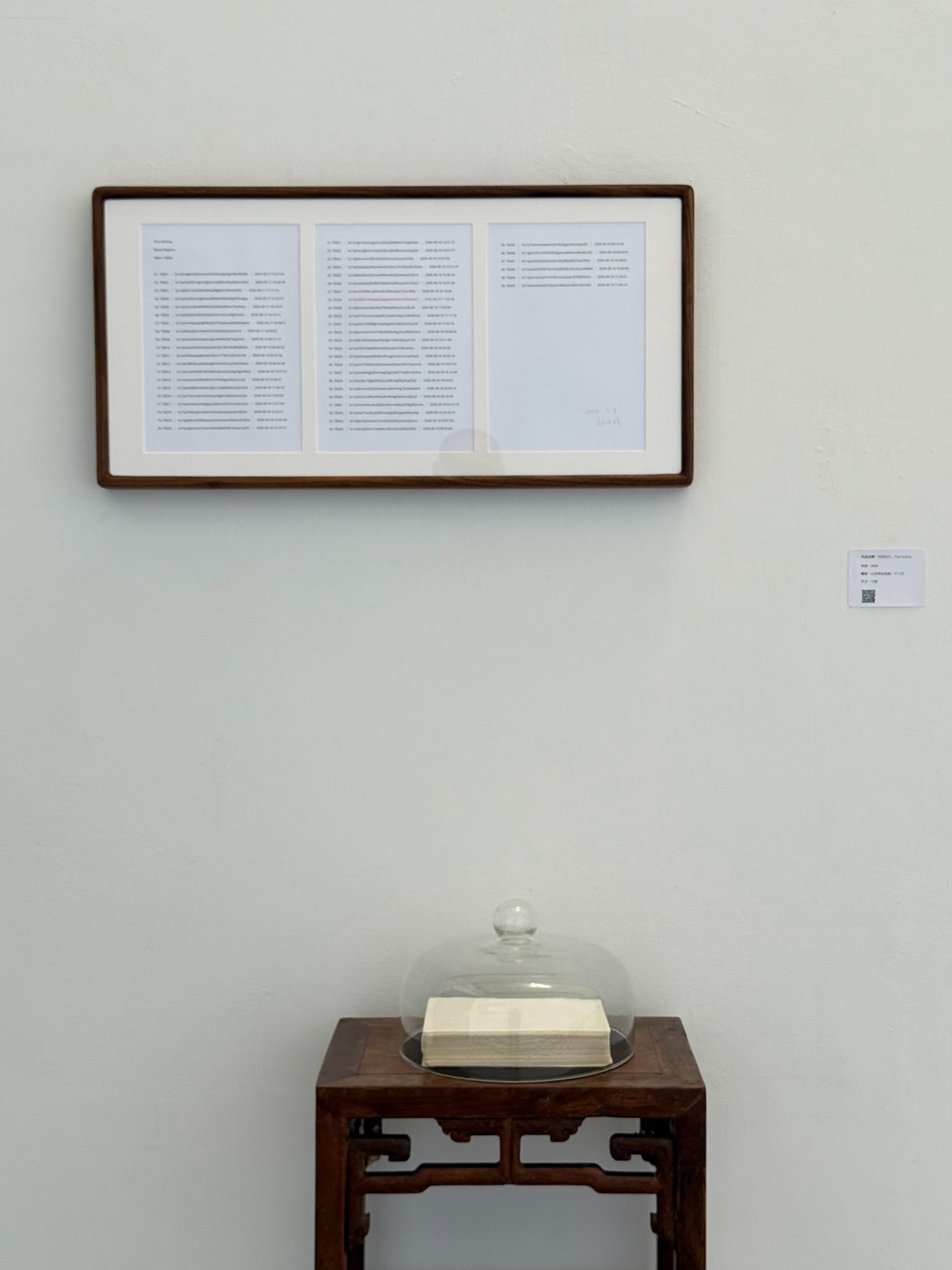
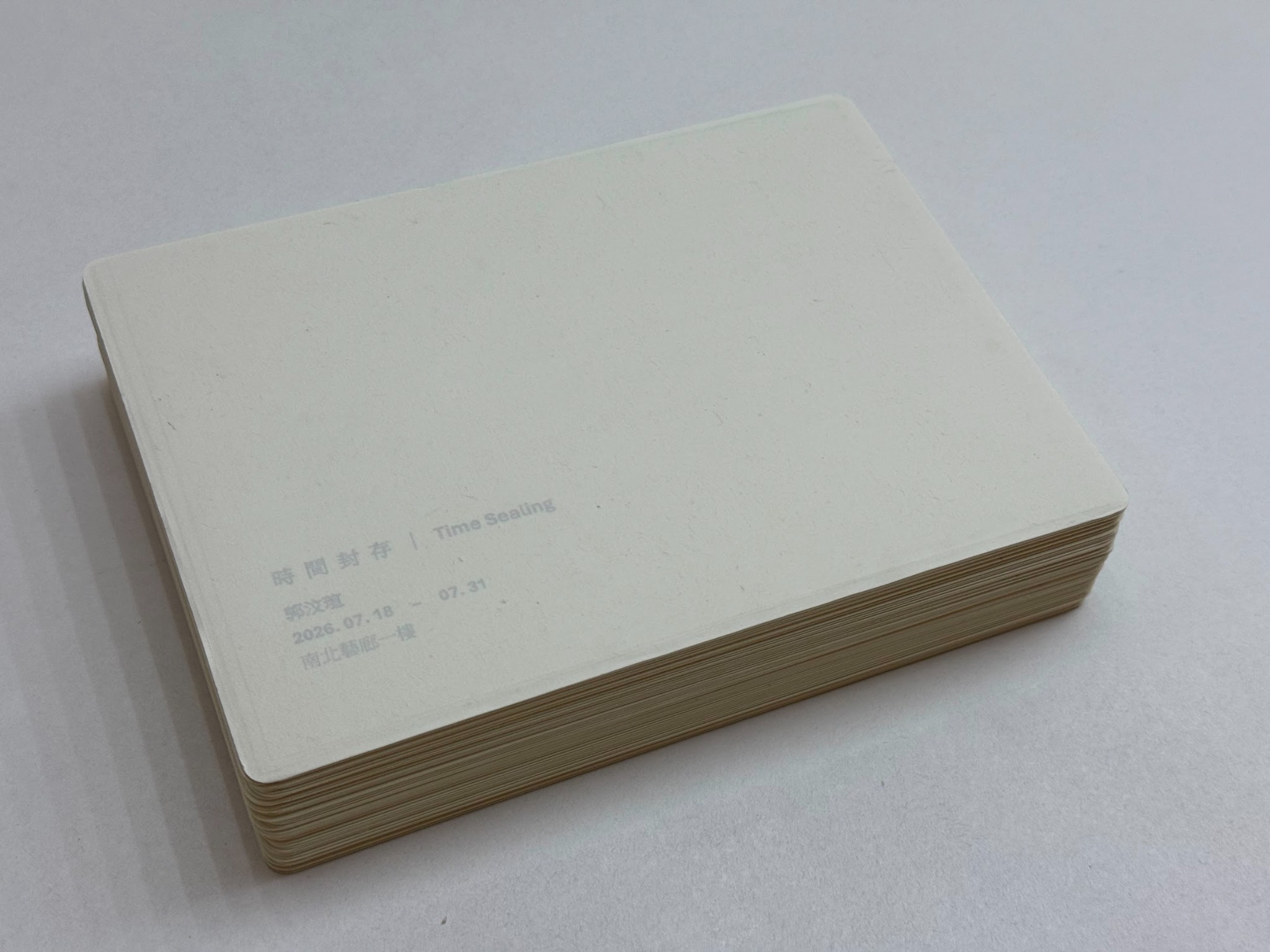
Paper seals, wallet registry documents, Bitcoin mainnet records|Dimensions variable
WORK DESCRIPTION
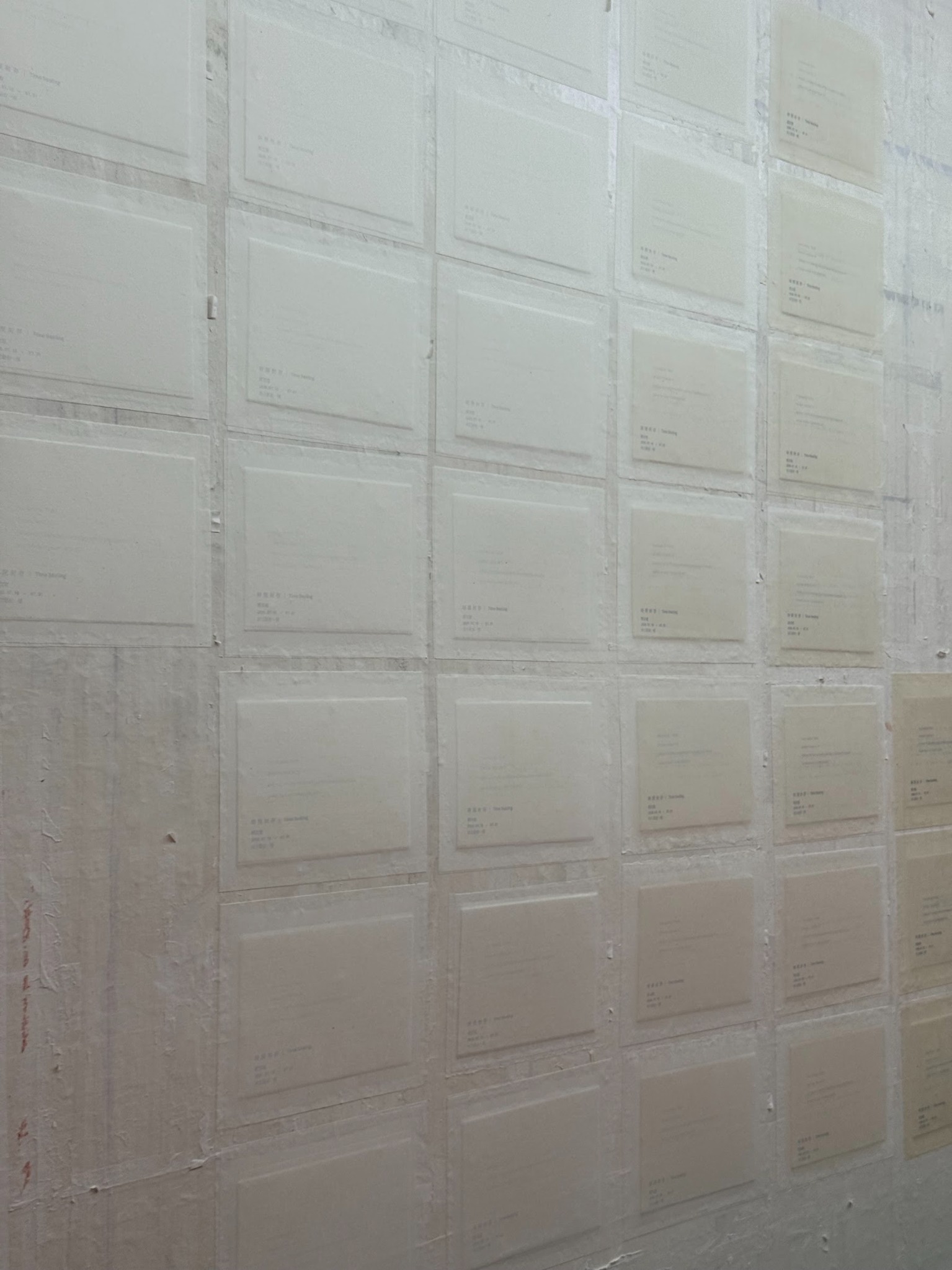
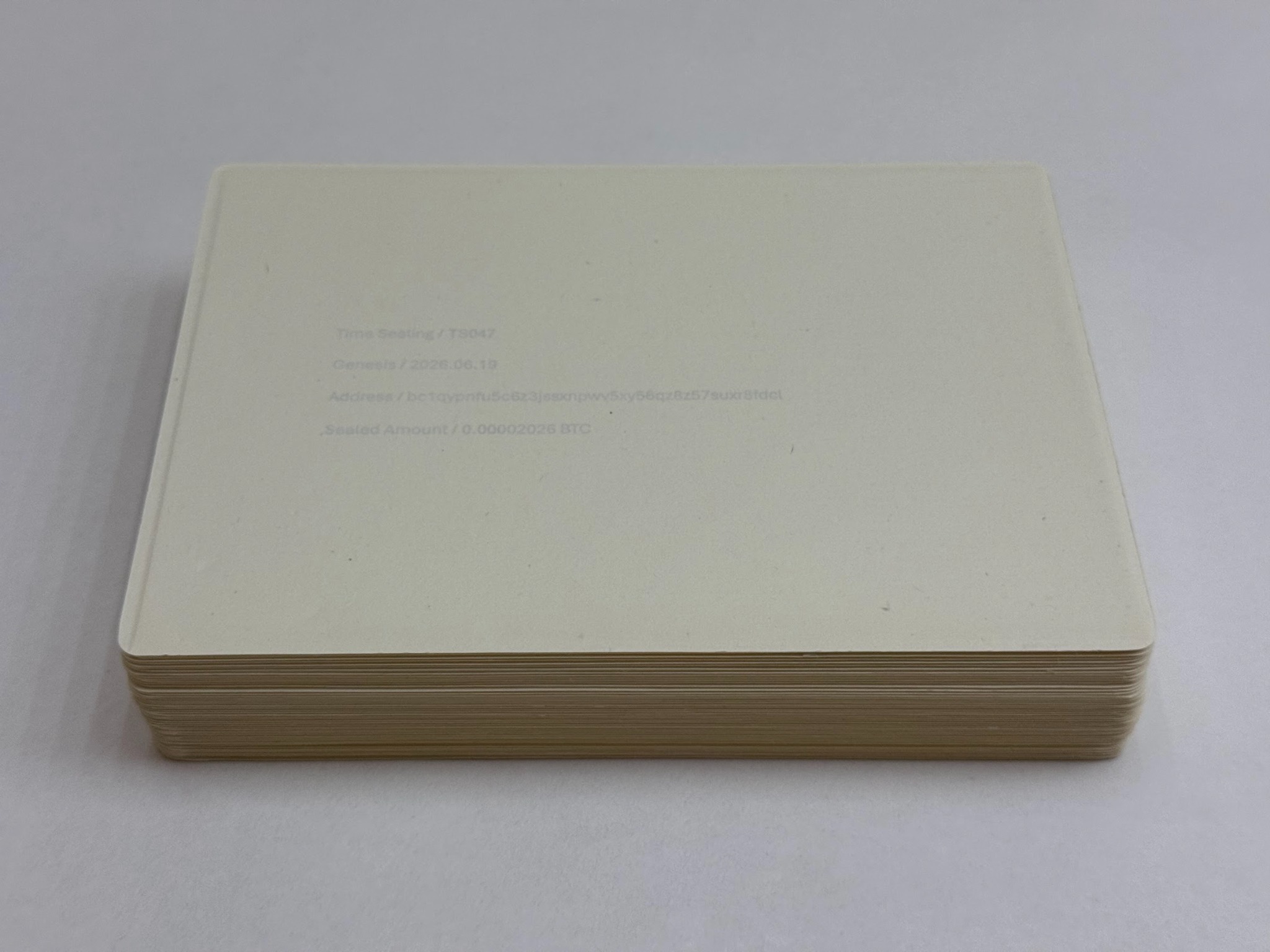
TS001–TS050 correspond to Wen-Hsuan Kuo’s first solo exhibition, held in 2026, and constitute the first realized group of Time Sealing. The work establishes its numbering and operational rules in advance; the artist’s life course, artistic events, and the actions of others then determine which parts can actually occur. The remaining numbers are therefore an open structure for the future, not a production quota that must be fulfilled.
The first stage spans TS001–TS150 in groups of fifty; TS151–TS300 are organized in groups of fifteen, TS301–TS600 in groups of five, and from TS601 onward each event produces a single work. This diminishing structure echoes the gradual reduction of Bitcoin’s new issuance while also corresponding to the artist’s aging and finite lifetime. Each stage must be activated by an actual artistic event and is not guaranteed to occur.
From TS051 onward, the artist retains the work bearing the original number and produces a corresponding “.1” work that may be collected and circulated by others. Both works are linked to the same address containing a small amount of bitcoin. The artist retains the ability to control the address but commits not to exercise the authority to move its bitcoin. Through professional unmounting, the holder of the “.1” work may obtain the seed phrase sealed inside and choose either to maintain the seal or to move the bitcoin controlled by that address.
Subsequent deposits to or expenditures from the address will create new on-chain transaction records but cannot erase the original sealing transaction. Time Sealing preserves the temporal trace that an event occurred while allowing its future trajectory to be altered by others. If the work ultimately stops at a particular stage, that point of cessation also becomes part of Wen-Hsuan Kuo’s personal history of artistic time.
ON-CHAIN VERIFICATION
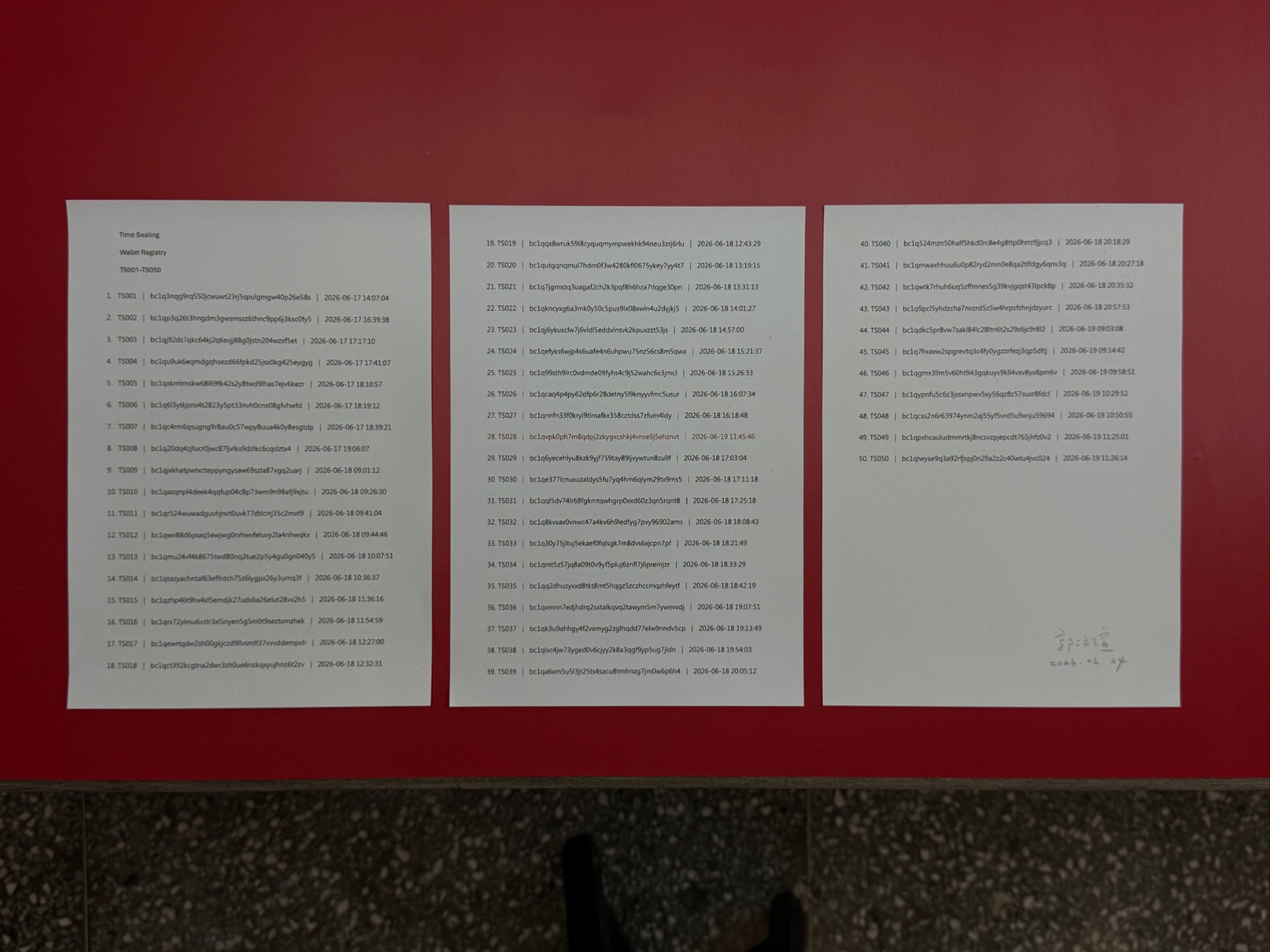
TS001–TS050 connect physical objects and on-chain records through object numbers and a wallet registry. The fifty public addresses and recorded times below follow the original Wallet Registry. As the source file contains no TXIDs, each address provides the direct on-chain verification point.